
eSIM vs Roaming vs Local SIM: The Best Way to Get Data Abroad
Roaming, a local SIM card or a travel eSIM? We compare what each one costs and how much setup it takes, so you can pick the right one for your next trip.

When you travel, you have three main ways to get mobile data: your carrier’s roaming plan, a local SIM card or a travel eSIM. All three work, but they differ a lot in price and in how much setup they take. If you’re weighing eSIM vs roaming, the short answer is that an eSIM gives you local data without a roaming bill. A local SIM card is the third option, and we cover it too.
eSIM vs roaming: what’s the difference?
With roaming, your home carrier provides the data and bills you for it, often by the day or by the megabyte. With a travel eSIM, you buy a prepaid data plan that connects to local partner networks at your destination. The biggest difference in eSIM vs roaming is cost control: you know the eSIM price before you leave.
Option 1: Roaming with your carrier
Roaming means using your regular SIM abroad. Your carrier partners with local networks, so your phone just works when you land.
Roaming needs no setup, and you keep your number. It can be expensive, though. Prices vary a lot by carrier and destination, and some plans cap your speed or data.
Before you travel, check your carrier’s roaming rates and whether your destination is included in your plan.
If you live in the EU and travel within it, the EU’s Roam like at home rules let you use your plan in other EU countries at no extra charge, within fair use limits. Outside those rules, your carrier sets the price, and that’s where comparing eSIM vs roaming matters most.
Option 2: A local SIM card
You buy a prepaid SIM card in the country you’re visiting and put it in your phone.
You get local prices and a local phone number. The downside is that you have to find a shop after you land, many countries ask for your passport to register the SIM, and you have to take out your home SIM unless your phone takes two.
Option 3: A travel eSIM
A travel eSIM is a digital data plan you buy online and install before your trip. It runs alongside your regular SIM.
You’re online the moment you land, you keep your home number, and you know the price before you go. One regional plan can also cover several countries. On the other hand, your phone must support eSIM and be unlocked, and most travel eSIMs are data only, with no local phone number.
What about pocket Wi-Fi?
A pocket Wi-Fi is a small rented router that shares a mobile connection over Wi-Fi. It can work for a group that stays together, but it’s one more device to carry, charge and return, and everyone has to stay within range. For most travelers, an eSIM on each phone is simpler.
Visiting several countries?
Trips across borders show the biggest gap in eSIM vs roaming. Roaming rates can change from one country to the next, and with local SIMs you need a new card in each country. A regional eSIM covers the whole route with one plan that you install once before you leave.

eSIM vs roaming vs local SIM at a glance
Here’s eSIM vs roaming vs local SIM side by side:
| Roaming | Local SIM | Travel eSIM | |
|---|---|---|---|
| Setup | Nothing to do | Buy one in the country | Install before you fly |
| Online when you land | Yes | No, find a shop first | Yes |
| Keep your home number | Yes | Only on a dual-SIM phone | Yes |
| Cost | Depends on your carrier | Local prices | One price, paid up front |
| Phone needed | Any phone | An unlocked phone | An unlocked eSIM phone |
| Local phone number | No | Yes | No, data only |
eSIM vs roaming vs local SIM: which should you choose?
- Choose roaming if your carrier includes your destination at no extra cost, or if you only need to be online for a moment.
- Choose a local SIM if you’re staying a long time in one country and need a local phone number.
- Choose a travel eSIM if you want data the moment you land, at a price you know before you leave, without swapping SIM cards.
Tip: Comparing eSIM vs roaming for your trip? Check your carrier’s roaming price first, then compare it with an eSIM plan for the same number of days.
Going for an eSIM? First, check that your phone supports eSIM. Then see how Now Travel eSIM works.
Tips to save data abroad
Whichever side of eSIM vs roaming you land on, these habits make your data last longer:
- Download offline maps for the places you’ll visit before you leave.
- Use Wi-Fi for big downloads, app updates and photo backups.
- Turn off background app refresh for apps you don’t need while traveling.
- Check your data usage in your phone’s settings every few days.
Frequently asked questions
eSIM vs roaming: which is cheaper?
The eSIM is often cheaper, especially for trips of several days. Roaming prices vary by carrier and destination, so compare your carrier’s daily or weekly rate with the price of an eSIM plan for the same trip.
Can I keep my phone number with an eSIM?
Yes. Your regular SIM stays in your phone, so you can still get calls and texts on your number. To avoid roaming charges, keep data roaming off on your home SIM.
Do I need to remove my SIM card to use an eSIM?
No. Your physical SIM stays where it is. The eSIM is added to your phone as a second line.
Ready for your next trip?
Pick your destination and how much data you need. Plans start at $1.15, and you can be online as soon as you land.
Keep reading

Now Travel eSIM: Mobile Data in 200+ Destinations
Now Travel eSIM is a prepaid data plan you install before you fly. You get mobile data as soon as you land in any…
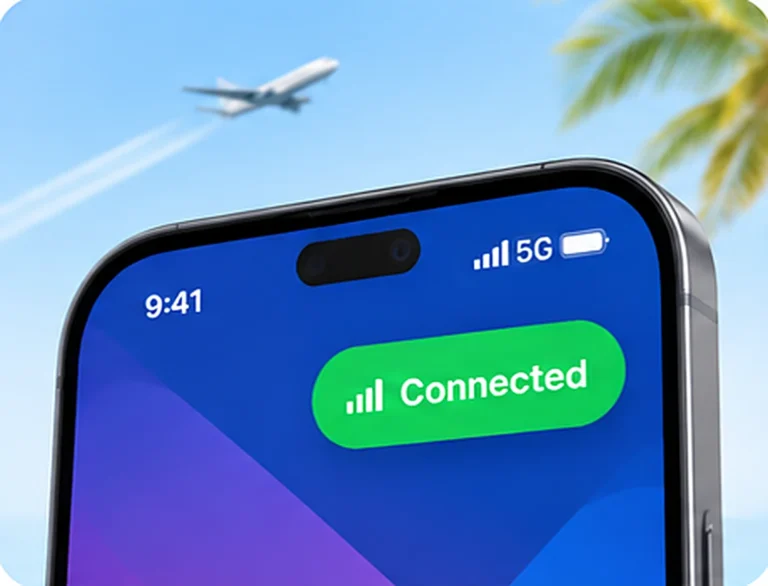
Does My Phone Support eSIM? How to Check in 10 Seconds
Most phones released since 2019 support eSIM. Here's how to check yours in about 10 seconds, how to tell if it's unlocked, and which…
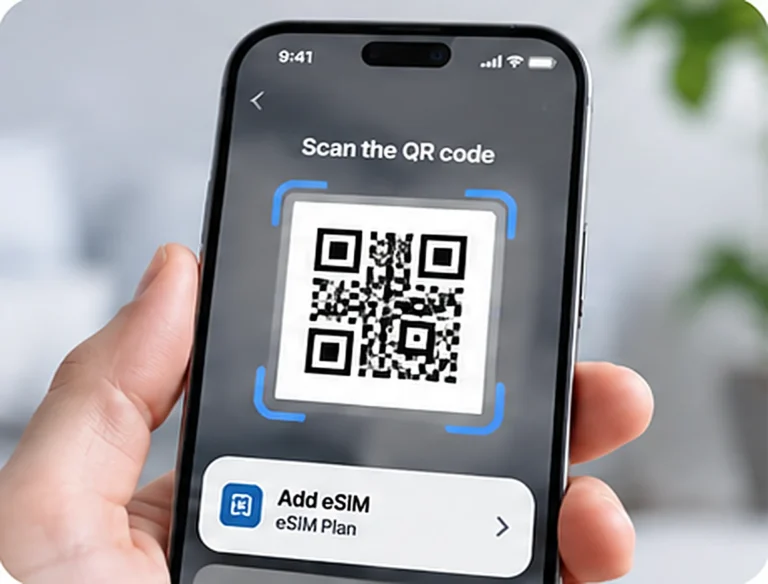
How to Install an eSIM on iPhone and Android (Step by Step)
Installing an eSIM takes about two minutes. Here's how to install an eSIM on iPhone, Samsung Galaxy and Google Pixel, and what to switch…